Artificial intelligence could help making transfer decisions

A konferenciáról magyarul ide kattintva olvashat!
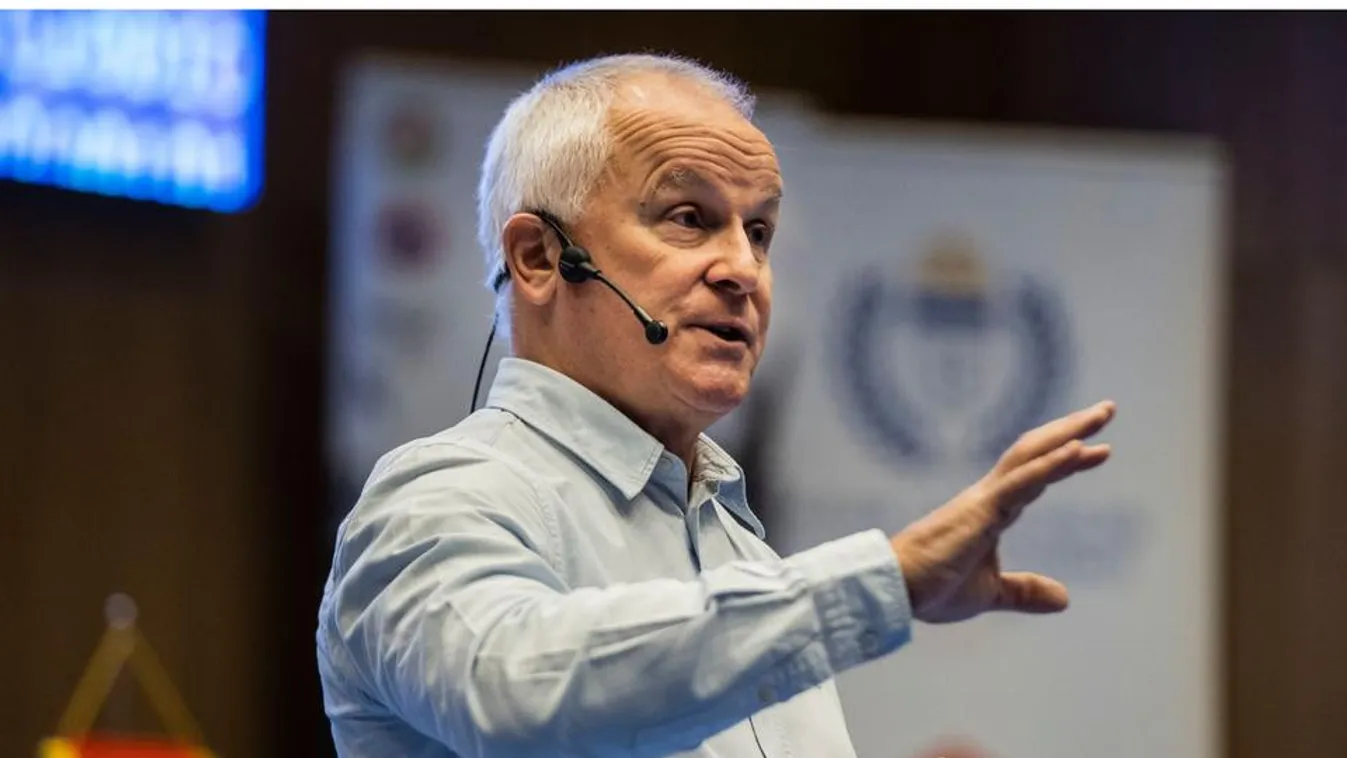
Chris Barnes was the first sports science expert, who worked full-time for an English Premier League club. After several top clubs, he currently works for UEFA and CAF, believes that data collection is a great asset in football and that we need to learn to analyze and use it as efficiently as possible. He says, "By collecting data, we can monitor the players' current performance, reduce the chance of injury and track their development."
A wide variety of measuring devices can monitor footballers. GPS trackers show how much they run and in what direction, heart rate is measured continuously, tiny sensors measure fine movements, and they can also take part in laboratory tests.
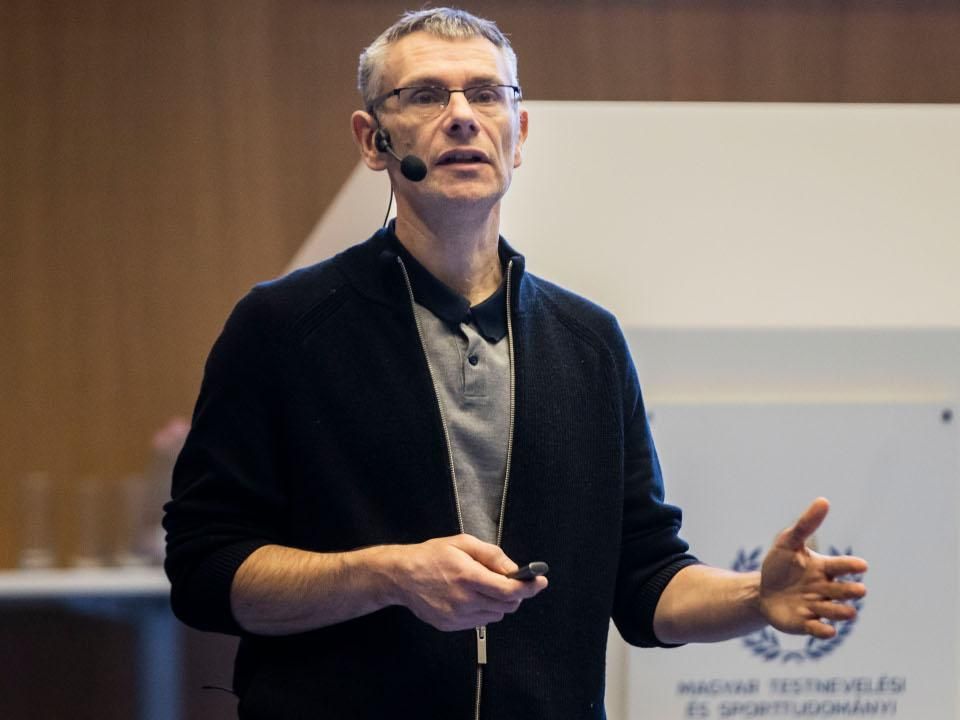
Christopher Carling, Head of Sports Science at the French Football Federation (FFF), came to Hungary to show how the latest technologies are being used in youth training.
Over the past decade, the French have placed great emphasis on tracking the performance of young players. They have years of data on national junior teams and players from regional academies run by the federation.
"We have created a central interface where all the important information about our footballers can be downloaded in one," he said.
"In our research institute, we are experimenting with entrusting the analysis of footballers to artificial intelligence. It could be used to predict which children will become really good footballers, or to suggest a new position for a player, or perhaps a team whose playing system suits them better," added Christopher Carling.
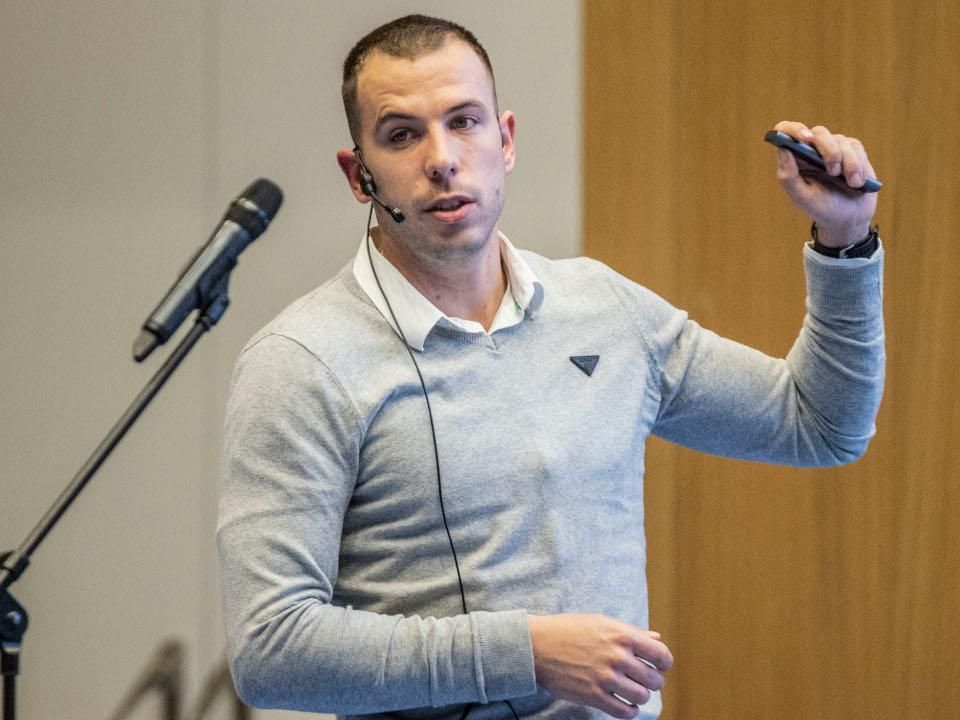
Representing the profession in Hungary, the first speaker was Bence Márk Kovács, a member of strength and conditioning coaching staff of Ferencváros. Kovács began by saying that, based on data from recent years, the physical demands of FTC's international matches have not differed much from the domestic matches. Compared to the stronger foreign teams, Fradi lagged behind in the number of sprint attacks.
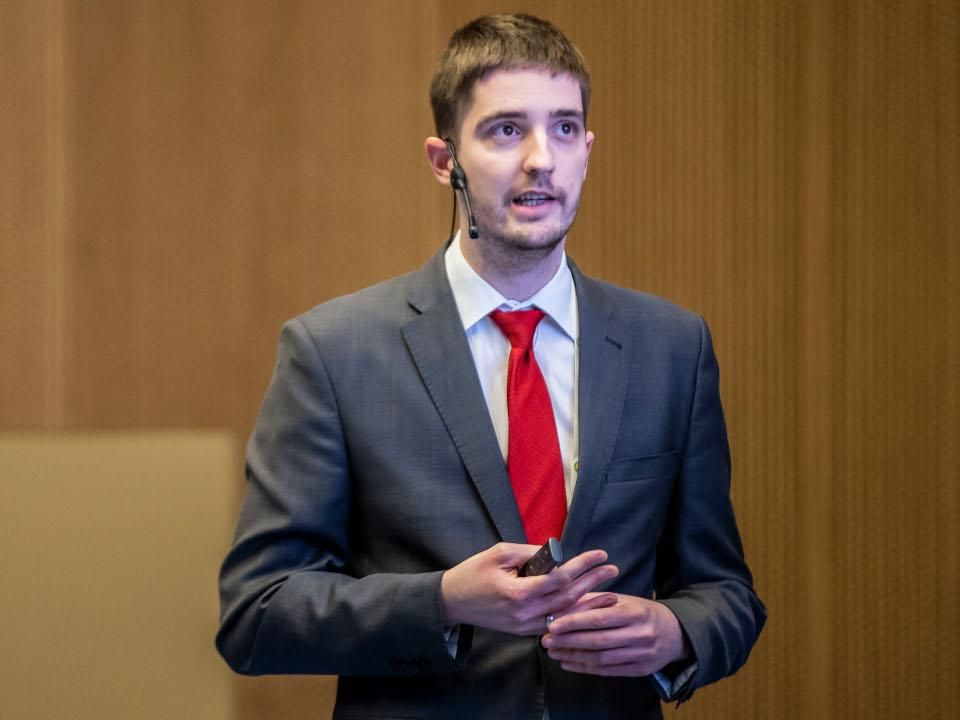
The conference was closed by Gábor Schuth, member of the Sports Science team of the Hungarian FA. The expert, who has worked with the senior national team at two European Championships, presented their measurement techniques. He said that coordinating their work is challenging as there is a difference not only in the number of club games the players arrive at the national team training with, but also there are as many weekly training schedules as many clubs' players are in the squad.
Translated by Vanda Orosz.
Három meccsre eltiltották az MTK középpályását